
Dual Detection for Intrusion and Fire Hazards
Burglar and Fire Alarm Systems in Scottsdale and surrounding areas for properties requiring immediate alerts when unauthorized entry or fire conditions are detected
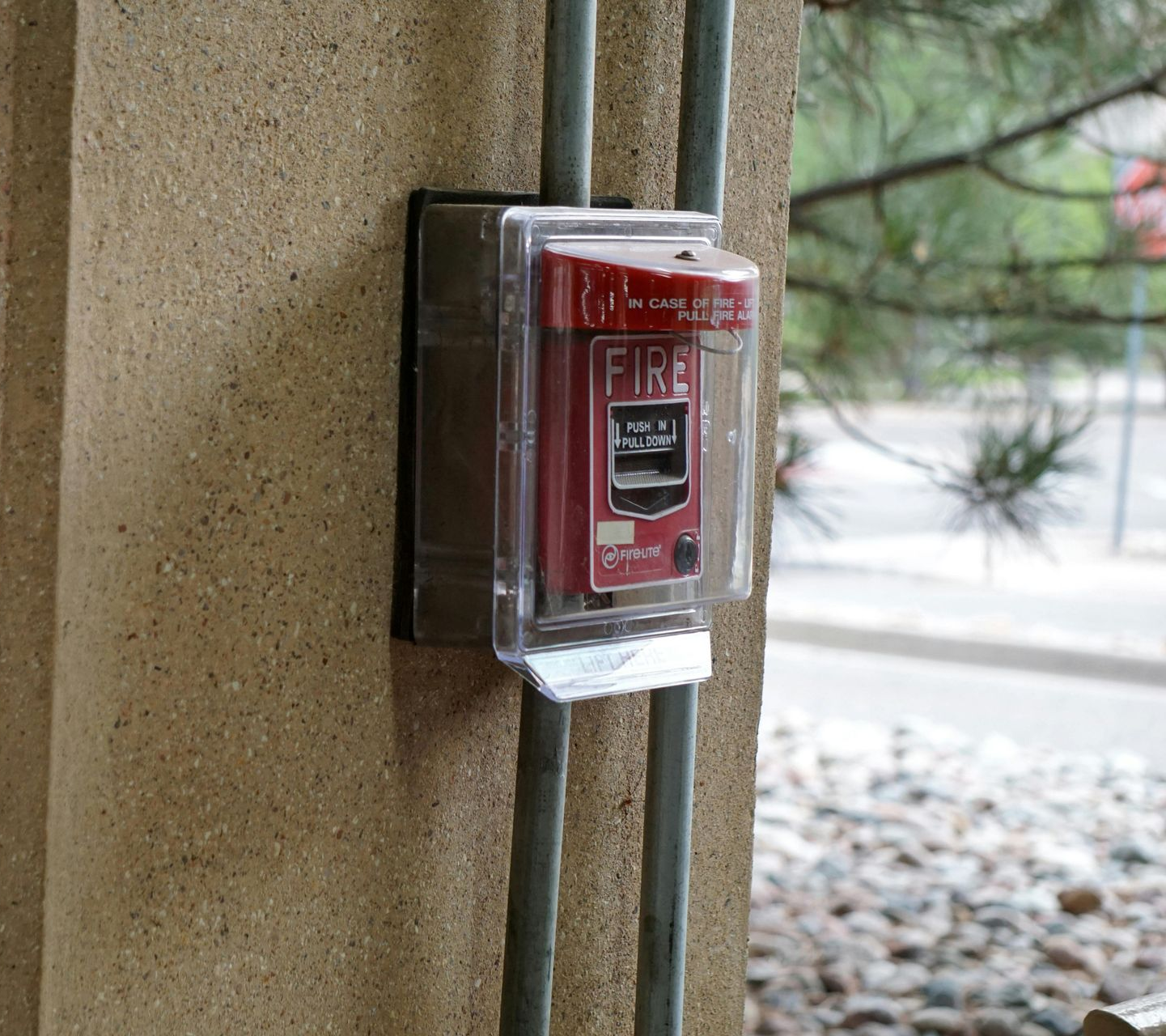
Alarm systems designed for only intrusion detection leave properties vulnerable to fire-related losses, while standalone smoke detectors that lack remote notification capability fail to alert property owners when they're away. Phase 1 Electronics installs dual-function alarm systems that monitor for both forced entry and fire hazards, using door and window contacts, motion sensors, glass break detectors, and smoke or heat sensors connected to panels that send instant alerts to your phone and trigger audible alarms on-site. Early detection allows you to respond while intrusions are in progress or fires remain small enough for suppression before structural damage occurs, reducing both property loss and risk to occupants.
These systems protect residential homes and commercial facilities by creating detection zones tailored to property layouts—perimeter monitoring at entry points, interior motion detection in main corridors, and smoke sensors positioned near kitchens, mechanical rooms, and sleeping areas. Integration with monitoring services provides 24/7 oversight that dispatches emergency responders when alarms trigger, even if you're unable to respond to notifications.
Request a system design consultation to configure alarm zones and notification preferences based on your property's occupancy patterns and risk priorities.
Burglar alarms that activate immediately when entry points are breached interrupt intrusions before thieves access interior rooms, while fire alarms triggered by smoke or rapid temperature increases provide warning minutes before flames become visible, allowing occupants to evacuate and responders to arrive while containment remains possible. Systems with cellular backup maintain communication during landline cuts or internet outages that burglars might use to disable monitoring.
After installation, you'll notice that arming the system at night activates perimeter and motion sensors while keeping smoke detection active continuously, so fire monitoring never depends on whether you remember to arm the intrusion system. Remote notifications include sensor location details, allowing you to determine whether an alert originated from a front door contact, a basement motion detector, or a second-floor smoke sensor before deciding how to respond.
Alarm systems installed by Phase 1 Electronics since 1976 follow reliability standards that include battery backup for panel operation during power failures, tamper detection that alerts when covers are removed or wiring is cut, and supervised sensor loops that report communication failures before emergencies occur. Both residential and commercial properties benefit from systems that scale to include additional zones as protection requirements expand.
Questions Before Alarm Installation Begins
Dual-function alarm systems raise questions about false alarm prevention, notification reliability, and how systems distinguish between actual emergencies and non-threatening events.
How do alarm systems prevent false triggers from daily activity or cooking smoke?
Motion sensors include sensitivity adjustments and pet-immune settings that ignore small animals, while photoelectric smoke detectors resist false alarms from cooking steam better than ionization models—placement away from kitchens and bathrooms further reduces nuisance alerts.
What happens when a burglar alarm triggers while we're out of town?
Remote notifications allow you to view camera feeds if integrated, verify whether the alarm resulted from actual intrusion, and authorize monitoring services to dispatch police while you contact neighbors or property managers to secure the premises.
Can fire alarms distinguish between actual fires and dust or steam?
Modern smoke detectors use dual-sensor technology or heat rate-of-rise detection to differentiate rapid temperature increases from fires versus slower changes caused by showers or cooking, reducing false dispatches while maintaining sensitivity to real threats.
How does Scottsdale's dry climate affect smoke detector performance?
Low humidity and dust common in desert environments can cause sensor contamination over time—regular testing and periodic cleaning maintain detection reliability, while photoelectric sensors generally perform better than ionization types in dusty conditions.
What's required to connect alarm systems with professional monitoring services?
Monitored systems require communication paths via phone lines, internet connections, or cellular modules that transmit alarm signals to central stations, where operators verify events and contact emergency services based on your predefined response protocols and contact list.
Phase 1 Electronics designs, installs, and monitors burglar and fire alarm systems for residential and commercial properties across all of the Phoenix Metro cities, integrating intrusion detection and fire monitoring into unified platforms with remote access and professional monitoring options. Schedule an alarm system evaluation to review detection coverage and notification configuration suited to your property's protection needs.