
Installations That Integrate Devices Into Functional Systems
Security System Installations in Scottsdale and surrounding areas for properties upgrading outdated equipment or requiring professional setup of new components
Cameras that don't communicate with alarm panels, sensors placed where they trigger false alerts, and control interfaces that require multiple apps to manage separate devices indicate installations done without integration planning. Phase 1 Electronics handles security system installations by ensuring every component—cameras, alarms, smart locks, motion detectors, and control panels—connects to a unified platform that allows remote access and coordinated responses. Properties transitioning from standalone devices to integrated systems benefit from installations that replace fragmented equipment with components designed to share data and trigger automated actions based on predefined rules.
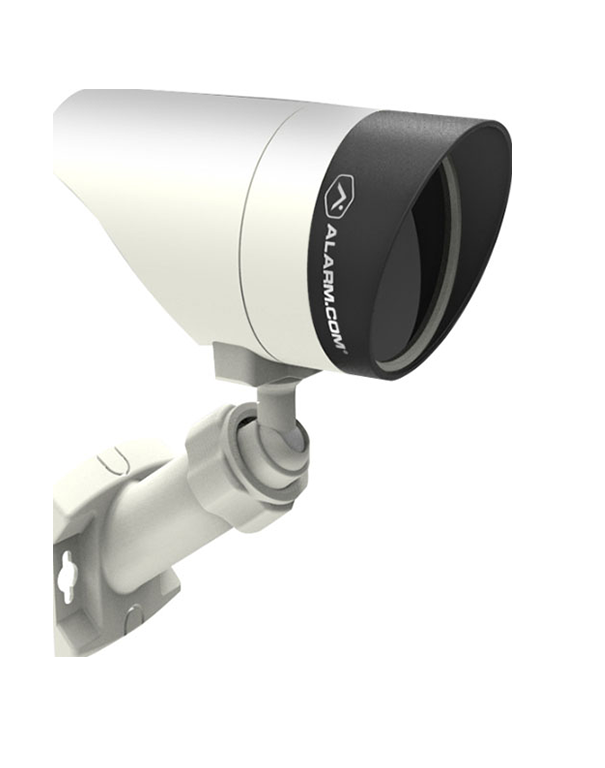
Installation processes involve mounting cameras at angles that eliminate blind spots, positioning motion sensors to detect movement through entry corridors without reacting to HVAC airflow, and configuring network connections that maintain communication reliability even during peak bandwidth usage. Both new installations and upgrades to existing systems require routing cables through walls or attics, programming device addresses into the central controller, and testing each component's response to simulated events before handoff.
Schedule an installation consultation to review your property's current equipment and determine whether upgrades or full replacement better serves your monitoring needs.
Installation quality determines whether devices perform as intended or create operational problems—cameras aimed incorrectly produce unusable footage, sensors placed near heat vents trigger false alarms, and poorly terminated network cables cause intermittent communication failures. Proper installation includes testing each camera's field of view under different lighting conditions, verifying that door contacts align correctly when closed, and confirming that wireless devices maintain signal strength from their installed locations to the control panel.
After installation completes, you'll notice that arming the system locks all smart-enabled doors simultaneously, cameras begin recording when specific sensors detect activity, and your phone receives notifications with relevant camera snapshots rather than generic alarm messages. Clean installations route cables through conduit or concealed pathways rather than leaving wires exposed across ceilings or exterior walls, maintaining both functionality and appearance.
Installations performed by Phase 1 Electronics since 1976 follow structured processes that include pre-installation site surveys, detailed component placement plans, and post-installation walkthroughs that train users on system operation and remote access features. Systems remain expandable, allowing future additions without requiring reinstallation of existing equipment.
Common Installation Questions Before Work Begins
Security system installations often prompt questions about disruption, compatibility with existing wiring, and how long properties remain without coverage during transitions.
How much disruption should we expect during installation of a complete system?
Installation typically involves accessing attic spaces, running cables through walls, and mounting devices on interior and exterior surfaces—most residential installations complete within one to two days depending on property size, while commercial projects may span several days for multi-zone systems.
Can new systems use existing wiring from older alarm equipment?
Existing wiring can often be reused if wire gauge and condition meet current system requirements, though wireless components eliminate the need for new cable runs in properties where fishing wires through finished walls would cause excessive damage.
What happens to security coverage while technicians replace old equipment?
Installations are typically staged so that existing systems remain active until new components are ready for handoff, minimizing the window when properties lack alarm monitoring—final switchover occurs once all new devices are installed and tested.
How do installers handle camera placement on properties with limited mounting surfaces?
Scottsdale homes with stucco exteriors and tile roofs require specific mounting hardware and sealing techniques to prevent water intrusion, while properties with metal siding or masonry may need specialized anchors to support camera weight and withstand wind loads.
Do installations include training on how to operate the system remotely?
Installation completion includes walkthrough demonstrations covering how to arm and disarm the system, view camera feeds from phones or computers, adjust alert settings, and perform basic troubleshooting before technicians leave the property.
Phase 1 Electronics completes security installations for residential and commercial properties throughout Scottsdale, Phoenix, Paradise Valley, and neighboring communities, handling both straightforward replacements and complex integrations involving multiple device types. Request a project timeline and installation plan based on your property's specific equipment list and configuration requirements.