
Secure Entry Without the Need for Keys
Smart Locks in Scottsdale and surrounding areas for properties where key management and remote access control matter
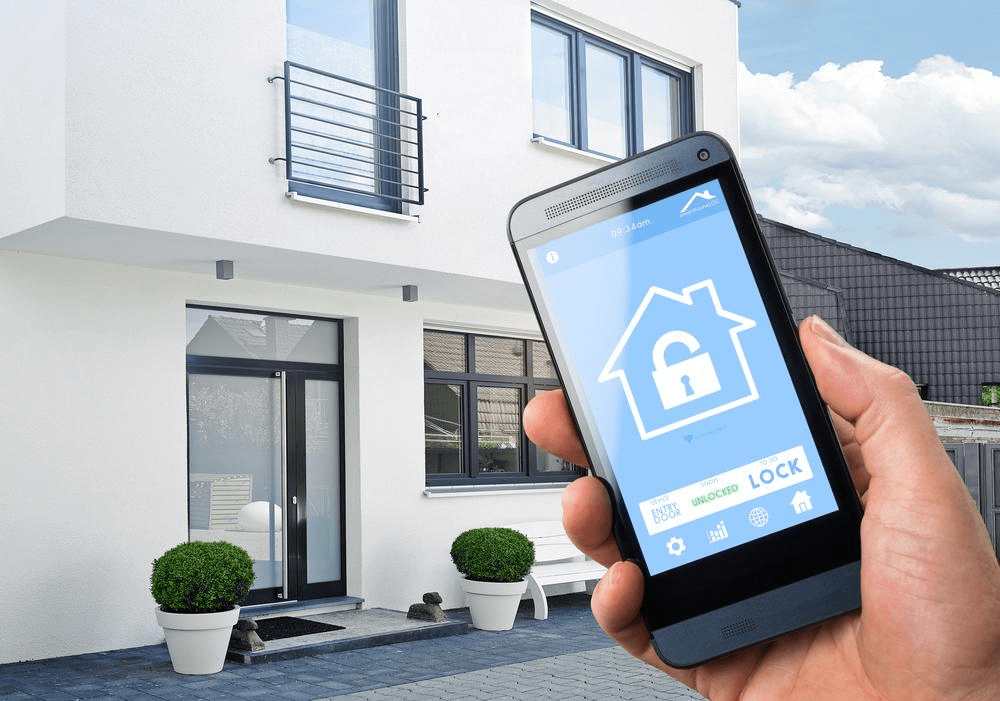
Phase 1 Electronics installs keyless entry solutions that replace traditional lock cylinders with systems controlled through your phone or computer. These systems allow you to grant or revoke access remotely, assign temporary entry codes to service providers or guests, and receive notifications when doors are unlocked. The setup eliminates the need to duplicate physical keys or coordinate handoffs when multiple people require access to the same property.
The installation connects electronic lock hardware to your network, enabling you to manage entry permissions through dedicated software or mobile applications. You can assign unique codes or credentials to different users, set time-based access windows, and track who entered and when. This level of control is particularly useful for rental properties, offices with rotating staff, or homes where contractors, cleaning services, or family members need varying levels of access at different times.
Schedule a property evaluation to determine which entry points would benefit from keyless access control.
Once the system is active, you no longer need to physically hand over keys or worry about unauthorized copies circulating. You assign and modify access permissions through the control interface, which logs every entry event with a timestamp and user identification. If someone leaves a door unlocked, you receive an alert and can lock it remotely from wherever you are.
The visible change is the absence of traditional keyholes and the presence of a touchpad, card reader, or biometric scanner at each equipped entry point. Doors lock and unlock silently when valid credentials are presented, and you can integrate these locks with broader security systems so that arming or disarming the alarm also controls door access. Phase 1 Electronics configures the system to work alongside existing surveillance cameras, motion sensors, and alarm panels, creating a unified access and monitoring environment.
The system scales easily when you add more users or entry points—new codes or credentials are issued through the software without modifying hardware. Battery-powered models require periodic battery replacement, typically once or twice per year depending on usage frequency, and wired models draw power from the building's electrical system. Some configurations include backup mechanical keys in case of network or power failure, while others rely on battery reserves and offline access logs that sync once connectivity is restored.
Questions Before Starting Your Project
Property owners in Scottsdale, Phoenix, Glendale, and neighboring communities often ask about installation requirements, network integration, and how access management works in practice.
What does smart lock installation require at the entry point?
The existing door must accommodate the lock body and strike plate, and the system needs either hardwired power or battery compartments accessible from the interior side. Network-connected models require Wi-Fi coverage at the door location, which may involve adding a wireless access point if the signal is weak.
How do you assign temporary access to guests or service providers?
You create time-limited entry codes or credentials through the management interface, specifying the exact hours or days when that code will work. Once the window expires, the code becomes invalid automatically without requiring you to manually delete it.
What happens if the network goes down or the power fails?
Battery-powered locks continue to function using stored credentials and log entries locally, syncing with the central system once connectivity returns. Hardwired models with battery backup operate the same way, while models without backup revert to mechanical key override if included in the design.
Can smart locks integrate with existing alarm or camera systems?
Yes, most models support integration protocols that allow the security system to recognize when a door is unlocked and adjust monitoring modes accordingly. This means arming the alarm can automatically lock all connected doors, and disarming can unlock designated entry points.
How often do access logs need to be reviewed or archived?
The system stores entry events indefinitely unless you configure automatic archiving or deletion schedules. Reviewing logs weekly or monthly helps identify unusual access patterns, failed entry attempts, or doors left unsecured longer than intended.
Phase 1 Electronics installs and configures smart lock systems that integrate with your existing security infrastructure, providing centralized control over every entry point. Contact the team to discuss access management requirements and compatible hardware options for your property.