
Surveillance That Captures Usable Evidence
Security Cameras in Scottsdale and surrounding areas for properties requiring documentation of activity at entry points, parking areas, and perimeter zones
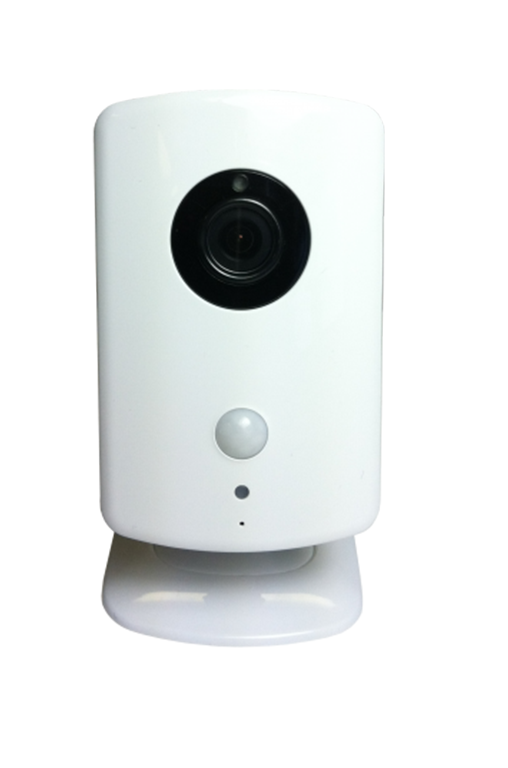
Security cameras mounted at incorrect heights produce footage showing the tops of heads rather than faces, while cameras aimed at glass doors capture glare instead of identifiable images, and low-resolution systems fail to provide detail needed for evidence. Phase 1 Electronics installs surveillance cameras selected for specific applications—high-resolution models for areas requiring facial recognition, wide-angle lenses for monitoring parking lots, and infrared-equipped cameras for overnight recording in unlit zones. Systems allow live viewing and recorded playback access from phones or computers regardless of your location, turning surveillance into an active monitoring tool rather than a passive recording system reviewed only after incidents occur.
Camera placement follows property layouts to eliminate blind spots at entry doors, side gates, vehicle access points, and high-value storage areas while avoiding angles that create backlighting problems or capture excessive unusable footage from low-traffic zones. Integration with broader security systems allows cameras to begin recording automatically when motion sensors or door contacts trigger, conserving storage space while capturing relevant events.
Request a camera system design consultation to identify coverage priorities and determine placement based on your property's architecture and lighting conditions.
Visible cameras positioned at building entrances and along property perimeters deter opportunistic crime by signaling active monitoring, while strategically concealed interior cameras document activity in cash handling areas, inventory zones, or restricted access hallways without alerting subjects to recording. Remote viewing capability allows property owners to verify alarm events in real time, distinguishing between false triggers and actual intrusions before deciding whether to dispatch authorities.
Once cameras are operational, you'll notice that playback searches become efficient through timestamp filters and motion-based indexing, allowing you to locate specific events without reviewing hours of footage. Systems store recordings locally on network video recorders or in cloud storage depending on retention requirements and bandwidth availability, with older footage automatically overwriting as storage fills unless flagged for preservation.
Camera systems scale by adding units to cover expanded areas or upgrading existing cameras to higher-resolution models as identification requirements become more stringent. Outdoor cameras in Scottsdale installations include housings rated for dust and temperature extremes, protecting internal components from monsoon moisture and prolonged sun exposure that degrades unprotected electronics.
Answers to Frequent Camera System Questions
Camera installations prompt questions about image quality, storage duration, and how systems perform under varying light and weather conditions common in Scottsdale, Phoenix, Glendale, and surrounding areas.
What resolution do cameras need to identify faces or license plates?
Facial identification typically requires cameras delivering at least 80 pixels per foot at the target distance, while license plate capture demands higher pixel density—placement closer to vehicles or using telephoto lenses compensates for resolution limits in budget camera models.
How long does recorded footage remain accessible before being overwritten?
Storage duration depends on recording quality settings, the number of cameras, and storage capacity—continuous recording at high resolution may retain one to two weeks of footage on typical systems, while motion-triggered recording extends retention to several weeks or months.
Can cameras record clearly during Scottsdale's intense midday sun and nighttime darkness?
Cameras with wide dynamic range sensors balance bright and shadowed areas in the same frame to prevent washout, while infrared LEDs or low-light image sensors maintain visibility after sunset without requiring exterior lighting that increases energy costs.
What happens to camera systems when monsoon storms cause power outages?
Systems connected to uninterruptible power supplies continue recording during brief outages, while those with battery backup maintain operation long enough to capture critical events—cellular-connected cameras retain remote access even when internet service drops during storms.
How do you prevent cameras from fogging or accumulating dust in outdoor installations?
Outdoor camera housings include sealed enclosures with desiccant packs or ventilation designs that prevent internal condensation, while periodic cleaning removes dust accumulation that degrades image clarity over time in desert environments.
Phase 1 Electronics customizes camera system designs for properties throughout Scottsdale and the Phoenix Metro area, selecting equipment and placement strategies that match monitoring objectives and environmental conditions. Schedule a site evaluation to determine camera quantity, positioning, and recording configuration based on your coverage priorities.